
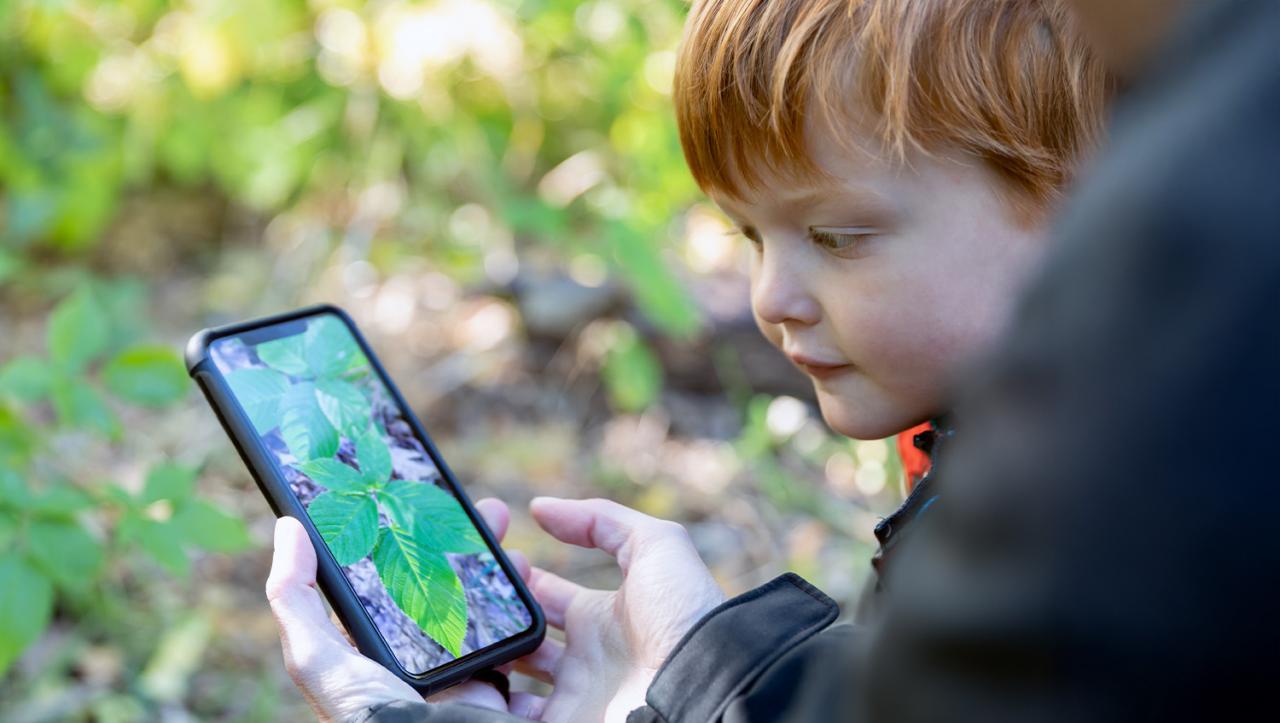
It’s the itchy rash that you can scratch at anytime in a year. Poison Ivy is part of a group of plants that causes plant dermatitis – in other words, a hypersensitive reaction of the skin to a toxin from a plant. Poison Ivy, Poison Sumac, and Poison oak are all part of this group and any part of the plant can leave the toxin on the skin (roots, stem, trunk, leaves). The old saying goes “If it has three, let it be!”
Table of contents
Recognizing
Recognizing each plant in various stages of growth and during the different seasons will help you avoid the plant and its potential rash. Follow these links for other photos of the plants/leaves:
Treatment
Treatment is focused on relieving the itch and halting the spread of the rash. Here are a few tips to help you:
Avoid scratching to prevent a secondary bacterial infection
Apply a cool compress for 12 minutes to reduce inflammation, itchiness, and oozing
Antihistamines are the anti-itch medicines. Over the counter (OTC) products like Benadryl (oral or topical form), Calamine (topical) and Ivy Dry will temporarily relieve the itch as needed. Follow the directions listed on the product label
Topical steroids will reduce itchiness and inflammation. OTC 1% hydrocortisone cream applied in a thin layer over the rash up to 4 times per day can help. You can keep the cream in the refrigerator to keep it cool – cool will calm the itch better.
When the rash is extensive or involves the face (especially near the eyes) and the groin areas then a tapering course of an oral steroid will help. Again, the steroid will not get rid of the toxin but calm the body’s response to it. Follow the directions for the steroid carefully and complete the entire course to avoid a rebound effect.
Length
Expect the rash to last up to 2 weeks. Sensitivity and intensity depend on the person.
Last Things
One more thing: the rash is not contagious in spite of the blisters or oozing from the rash. You don’t have to miss school or work because of it.
Again, the key to prevention of poison ivy is to recognize the plant and avoid it. So here, once more, is a link to a Wikipedia page with excellent information and many photos.
Dr. Godinez, a Kids Plus Doc since 2004, spends a lot of time outdoors, so his expertise on this subject is both personal and professional.